
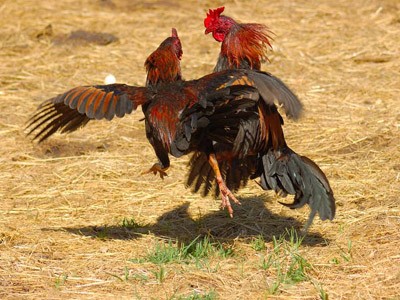
In the realm of poultry sports, C1 fighting cock videos have garnered immense popularity among enthusiasts and fans alike. These videos showcase the intense battles between specially bred roosters, meticulously trained for competition. The excitement surrounding these events is palpable, as viewers are drawn into the fierce displays of strength, agility, and strategy. This article delves into various aspects of C1 fighting cock videos, examining their significance, the breeding techniques involved, ethical considerations, and the culture that surrounds this unique sport – trực tiếp gà chọi C1.
 Read more – Video đá gà C1
Understanding C1 Fighting Cocks
The world of C1 fighting cocks is both fascinating and complex. To fully appreciate the gravity of these competitions, it is essential to understand what distinguishes a C1 fighting cock from other breeds and what makes them particularly suited for combat.
The Characteristics of C1 Fighting Cocks
C1 fighting cocks are known for their distinctive physical characteristics, which include a robust physique, muscular build, and sharp beaks. These traits not only enhance their fighting capabilities but also contribute to their overall health and resilience.
The size of a C1 fighting cock plays a crucial role in its performance. Breeders typically select birds that exhibit a balance between weight and agility, allowing for powerful strikes while maintaining swift movement. Additionally, their plumage often varies, with vibrant colors being a hallmark of many successful fighters.
Beyond physical attributes, temperament is another critical factor in determining a C1 fighting cock’s success. A well-trained fighter must possess an aggressive yet disciplined demeanor. Trainers focus on instilling confidence and tenacity in these birds, ensuring they remain focused during competitions.
Breeding Techniques for Optimal Performance
Breeding C1 fighting cocks requires extensive knowledge and expertise. Successful breeders utilize a combination of genetics, selective breeding, and environmental factors to produce champions. Understanding the lineage of each bird is vital for predicting its potential performance in the ring.
Genetic selection involves choosing parent birds that exhibit desirable traits, such as strength and stamina. By carefully pairing these roosters and hens, breeders can enhance the likelihood of producing offspring that excel in combat. Inbreeding is commonly practiced in pursuit of specific traits; however, it must be approached with caution to avoid genetic issues.
Environmental conditions also play a significant role in the development of C1 fighting cocks. Proper nutrition, housing, and socialization contribute to the overall health of the birds. A well-rounded diet rich in proteins and vitamins is essential for building muscle mass and enhancing their competitive edge.
Training Regimens for C1 Fighting Cocks
Training is paramount for any C1 fighting cock aspiring to succeed in combat. Handlers employ various methods to prepare their birds physically and mentally for the rigors of competition. Training regimens typically consist of conditioning exercises, sparring matches, and behavioral training.
Conditioning exercises aim to improve the bird’s physical fitness. Routines may involve flying short distances, engaging in obstacle courses, or utilizing weights attached to the legs. These activities help enhance muscle endurance and reduce fatigue during fights.
Sparring matches with other roosters provide invaluable experience, allowing fighters to hone their skills in a controlled setting. Handlers closely monitor these sessions to ensure safety while encouraging aggressive behavior essential for combat. Behavioral training focuses on reinforcing discipline and obedience, teaching the birds to respond promptly to commands during competitions.
The Cultural Significance of Cockfighting
Cockfighting has deep historical roots and cultural significance in various societies around the world. The practice transcends mere entertainment, embodying traditions, rituals, and social interactions that bind communities together.
Historical Context of Cockfighting
Cockfighting dates back thousands of years, with evidence of its existence found in ancient civilizations such as Mesopotamia, Greece, and Rome. It was initially viewed as a noble pastime, often associated with royalty and aristocracy. Over time, the sport gained traction among the masses, becoming a popular form of entertainment across different cultures.
In many regions, cockfighting has evolved into a highly ritualistic event. Spectators gather at arenas to witness the bouts, often accompanied by festivities that include food, drink, and music. These gatherings serve as a social hub where individuals connect, celebrate, and share their passion for the sport.
Modern-Day Cockfighting Communities
Today, cockfighting continues to thrive in various parts of the world, despite legal controversies and ethical debates surrounding the practice. Many communities maintain a steadfast commitment to preserving their cultural heritage, organizing events and tournaments that draw large crowds.
In some countries, cockfighting is regarded as a legitimate sport, complete with regulations and guidelines to ensure humane treatment of the birds. Enthusiasts invest considerable time and resources into breeding and training their fighters, often viewing them as family members rather than mere competitors.
Social media platforms have made it easier for aficionados to connect, share experiences, and showcase their prized roosters. C1 fighting cock videos have emerged as a popular medium through which fans can engage with the community, exchanging tips, strategies, and highlights from recent matches.
Ethical Considerations in Cockfighting
While many view cockfighting as a cherished tradition, it is not without its detractors. Critics raise ethical concerns regarding the treatment of the birds and the inherent violence of the sport. Debates surrounding animal welfare have prompted some jurisdictions to outlaw cockfighting entirely, while others impose strict regulations to mitigate harm.
Supporters argue that responsible breeders prioritize the health and well-being of their birds. They contend that proper care, nutrition, and handling can create a positive environment for the fighters. Moreover, advocates point out that the majority of participants take great pride in their roosters, treating them with respect and affection.
These contrasting perspectives highlight the need for ongoing dialogue about the future of cockfighting. Finding common ground between advocates for animal rights and those who cherish the sport may lead to more sustainable practices that honor both tradition and ethics.
The Impact of C1 Fighting Cock Videos on the Sport
In recent years, C1 fighting cock videos have gained traction across various online platforms, reshaping how fans interact with the sport. As these videos become increasingly accessible, their influence on cockfighting culture and community engagement cannot be understated.
The Rise of Online Platforms
With the advent of technology, traditional forms of entertainment have transformed, and cockfighting is no exception. Online platforms such as YouTube and social media networks have provided enthusiasts with unprecedented access to C1 fighting cock videos. Viewers can now witness live matches, training sessions, and behind-the-scenes footage, enhancing their understanding of the sport.
This shift toward digital consumption has broadened the audience for cockfighting, attracting newcomers and curious observers. Videos often serve as educational tools, allowing fans to learn about breeding techniques, training methods, and match strategies. As a result, the accessibility of information has fostered a more informed community.
Enhancing Community Engagement
C1 fighting cock videos have also facilitated stronger connections among enthusiasts. Fans can comment, share, and discuss their favorite moments, creating a sense of camaraderie within the community. Online forums and groups allow individuals to exchange ideas, share experiences, and offer support to one another.
Moreover, these videos often highlight notable trainers and breeders, elevating their status within the community. Recognizing outstanding contributors fosters healthy competition and encourages excellence throughout the sport. Participants are motivated to innovate and refine their techniques, ultimately benefiting the overall quality of C1 fighting cocks.
Challenges and Opportunities
While the rise of C1 fighting cock videos presents numerous benefits, it also poses challenges that require careful consideration. Issues related to content regulation and the portrayal of the sport have sparked debate among enthusiasts and critics alike. Striking a balance between showcasing the thrill of competition and addressing ethical concerns is essential.
Furthermore, as online visibility increases, so does scrutiny from animal rights activists. Advocates for animal welfare may leverage video content to advocate against cockfighting, potentially leading to stricter regulations and public backlash. Navigating these challenges while promoting responsible practices is crucial for the future of the sport.
FAQs
What are C1 fighting cocks?
C1 fighting cocks are specially bred roosters known for their strength, agility, and fighting ability. They are specifically trained for competitive cockfighting events.
Are C1 fighting cock videos widely available online?
Yes, C1 fighting cock videos can be easily found on various online platforms like YouTube and social media channels, providing fans with access to matches, training sessions, and educational content.
Is cockfighting legal everywhere?
No, cockfighting laws vary widely across regions. While some areas permit regulated cockfighting, others have banned the practice altogether due to ethical concerns surrounding animal welfare.
How do breeders select C1 fighting cocks?
Breeders select C1 fighting cocks based on desirable physical traits, genetic lineage, and temperament. Selective breeding techniques are employed to produce strong and agile fighters.
What are the arguments for and against cockfighting?
Supporters argue that cockfighting is a cherished cultural tradition and emphasize responsible breeding practices, while opponents raise concerns about animal welfare and the violence associated with the sport.
Conclusion
C1 fighting cock videos encapsulate a captivating world steeped in tradition, skill, and community. As the sport navigates the complexities of modern culture and ethical considerations, the role of these videos becomes increasingly important. They not only celebrate the artistry of breeding and training but also foster connections among enthusiasts who share a passion for this unique endeavor. Ultimately, the future of C1 fighting cocks hinges upon finding a harmonious balance between preserving tradition and advocating for responsible practices that honor the birds and the sport itself.